Dry Needling
Dry needling normalizes tissue inflammation and tension resulting in decreased symptoms through enhancement of the body’s natural healing processes. It is MOST effective when done in conjunction with a comprehensive Physical Therapy program in order to not only effectively resolve symptoms, but minimize the recurrence of these symptoms.
-
What is Dry Needling?
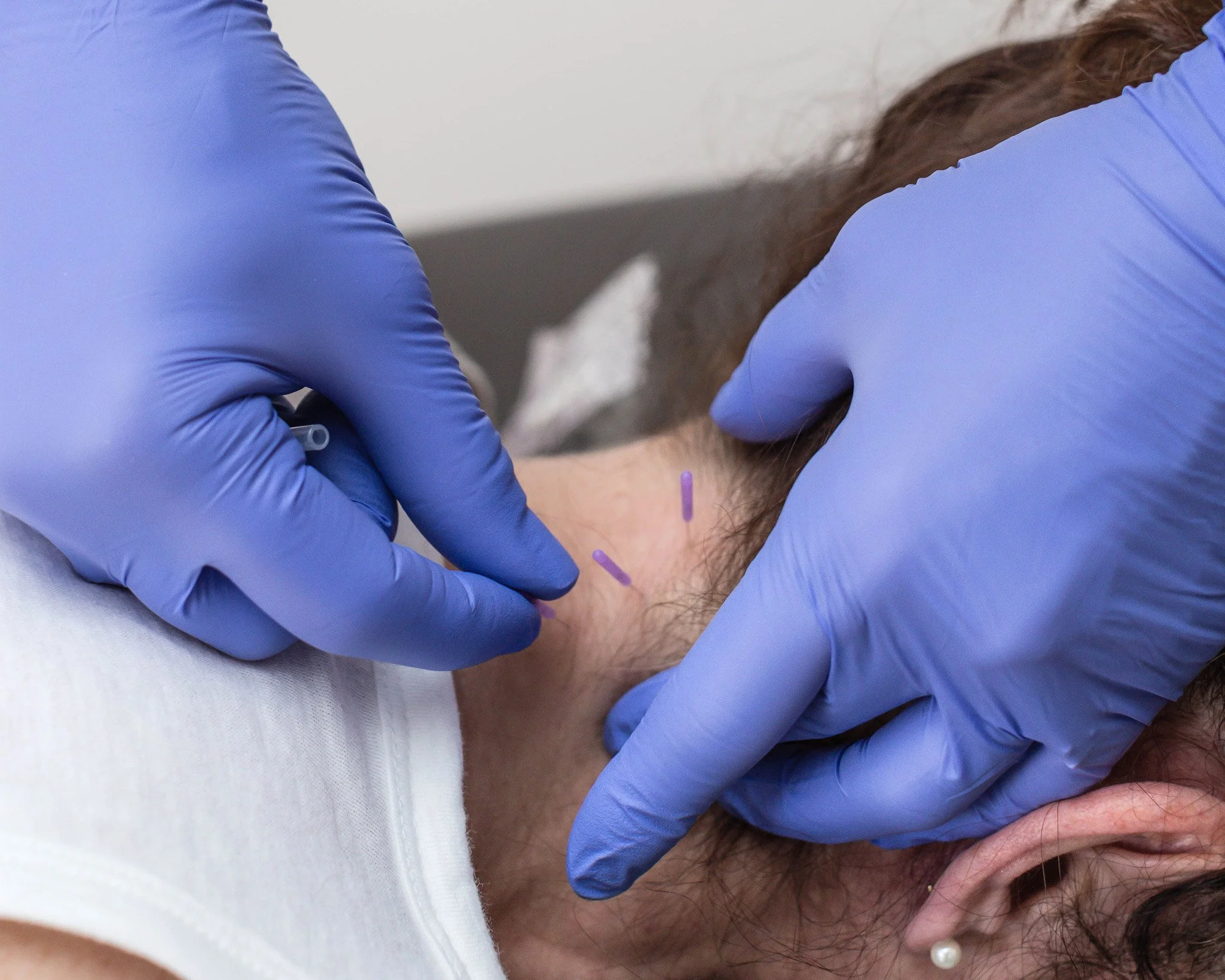
Dry needling is not acupuncture. It does use acupuncture needles, but rather than being based on traditional Chinese medicine, it is based on a study of neuro-anatomy, as well as the musculoskeletal and neuromuscular systems. The needles are inserted through the skin and into deeper tissues which are causing pain and dysfunction.
-
How Does it Work?
Inserting and manipulating these very thin filament needles causes a very small lesion in the tissue, which breaks up tightness, inhibits a reflex arc from the nervous system to the tight tissue, normalizes the inflammatory response, and reduces pain. Nothing is injected into the body during this treatment. The previously mentioned effects of needling stimulate the body’s natural healing processes.
-
What Conditions Can be Treated?
Dry needling can be used for any condition which is caused by inflammation, tissue tightness, tension and muscle imbalance. Some examples are neck, jaw, shoulder, arm, back, buttock and leg pain, headaches, sciatica and other nerve pain. In addition it can be used to balance muscle activation prior to movement training for postural dysfunctions including scoliosis, kyphosis and sway back. Finally dry needling can be used for muscle recovery after exercise and athletic events.
-
Who Does Dry Needling?
Dry needling is done primarily by Physical Therapists who have been trained over and above their professional training. It is also done by some physicians and Chiropractors. The laws about who can perform needling vary by state.
-
Are the Needles Sterile?
Yes, dry needling is only done with sterile needles.
-
Is the Procedure Painful?
The fine needle is very thin and flexible, which allows for the needle to be pushed through the skin versus cutting the skin. This reduces any discomfort that may occur during the procedure. I strive to make the treatment painless, however sometimes a normal local twitch response of the muscle may be felt momentarily. Many patients describe this response as a cramp or aching sensation. These sensations are not only normal and expected, but are a desirable response. I make every effort to make your experience comfortable and therapeutic.
-
How Will I Feel After the Treatment?
Most patients experience immediate relief of their symptoms with improved mobility. Soreness from needle insertion, as well as muscle twitch, can be a common response from the needling, but does not occur with all people. Some patients may experience an immediate achiness or a delayed soreness the next day, this typically is brief and self-resolving. There can be mild bruising at the needling sites. Larger bruising occurs rarely but is not harmful.
Rarely treatment temporarily increases symptoms. This does not mean that needling will not be beneficial to your condition. Typically, we are needling in the right area, but maybe need to adjust technique and/or dosage to reduce the chances of increased symptoms following future treatments. It is important to always inform your Physical Therapist about any change in symptoms, or development of new symptoms, after treatment. This will allow adjustment of your treatment to improve comfort following future needling sessions.
-
How Many Treatments Will I Need?
This will depend on the extent and acuteness of your symptoms and overall health. During dry needling we are working to create mechanical and biochemical changes by enhancing your body’s healing without pharmacological means. We are looking for a cumulative effect of the needling to reduce inflammation, increase blood flow, decrease tissue tension, improve muscle balance and reduce pain. After evaluation you PT should be able to discuss with you an expected number of visits likely needed.
-
Will I Continue Exercises/Treatments?
You definitely should. Dry needling should be one part of your personalized physical therapy program. While dry needling will help the body heal tissue, it is imperative that treatment also address the root cause of your symptoms. This should include movement and postural training, along with development of an exercise program to keep the body healthy.